Loading image...

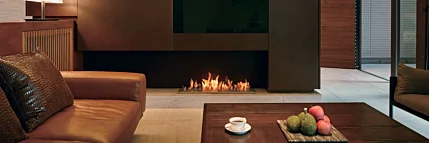
Indoor Fireplaces
Designed for maximum indoor flexibility
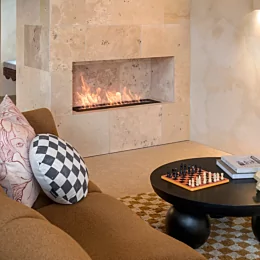
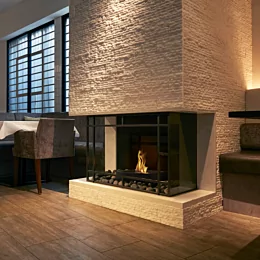
Complement any room with an eco-friendly ethanol indoor fireplace. EcoSmart Fire offer a premium bioethanol indoor fireplace range, with design integrity features at its core.
Indoor Ranges



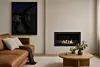
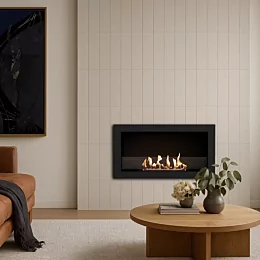

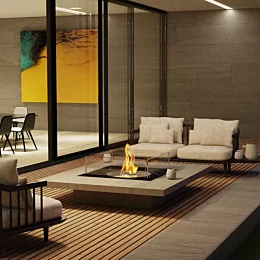
Models
Showing 18 items of 79
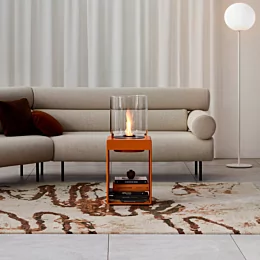
Sidecar 24 Fire Table · EcoSmart Fire
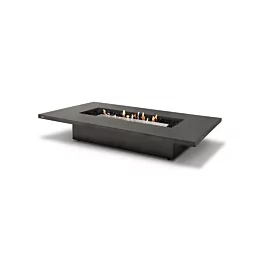
Chaser 38 Fire Table · EcoSmart Fire
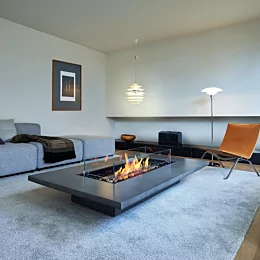
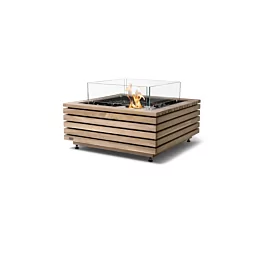
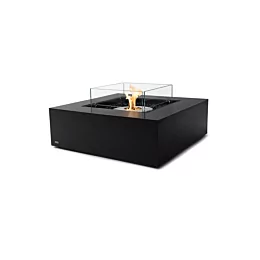
Base 30 Fire Table · EcoSmart Fire
Base 40 Fire Table · EcoSmart Fire
Ark 40 Fire Table · EcoSmart Fire
Mimosa 40 Fire Table · EcoSmart Fire
Mojito 40 Fire Table · EcoSmart Fire
Vertigo 40VL Fire Table · EcoSmart Fire
Vertigo 40L Fire Table · EcoSmart Fire
Vertigo 50VL Fire Table · EcoSmart Fire
Vertigo 50L Fire Table · EcoSmart Fire
Daiquiri 70VL Fire Table · EcoSmart Fire
Daiquiri 70L Fire Table · EcoSmart Fire
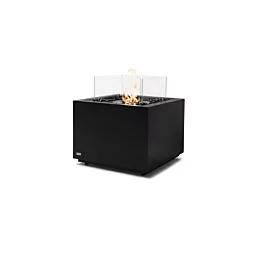
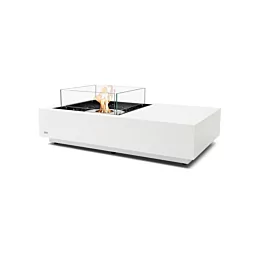
Manhattan 50 Fire Table · EcoSmart Fire
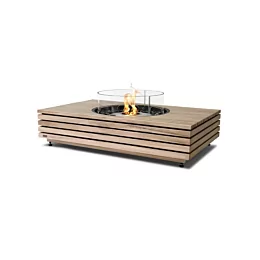
Martini 50 Fire Table · EcoSmart Fire
Cosmo 50 Fire Table · EcoSmart Fire
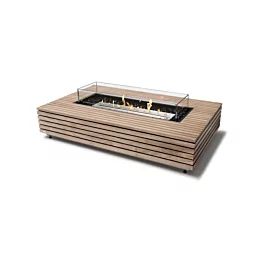
Wharf 65 Fire Table · EcoSmart Fire
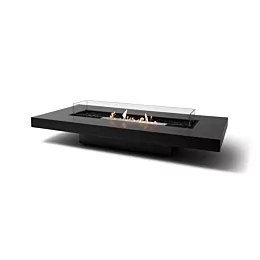
Gin 90 Low Fire Table · EcoSmart Fire

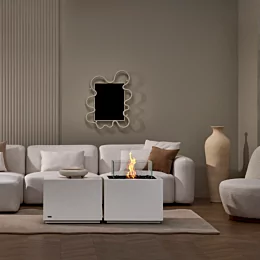
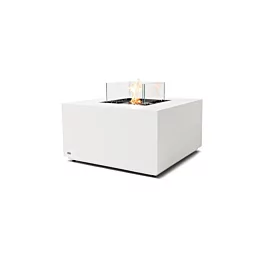
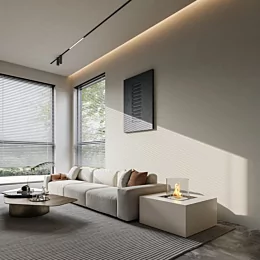

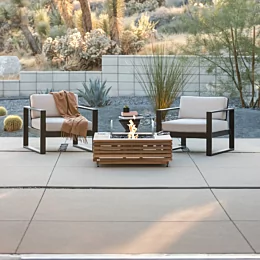
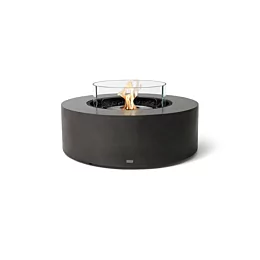
-outdoor-elegance-5531-screen.png)
-outdoor-elegance-5531-screen.webp)
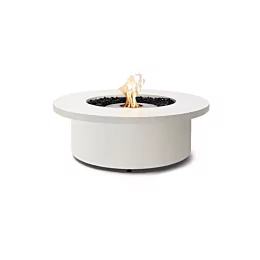
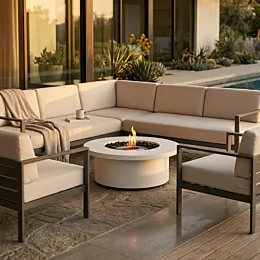
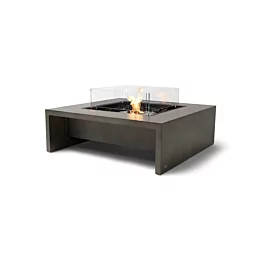

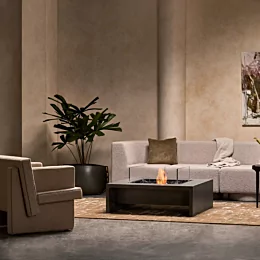
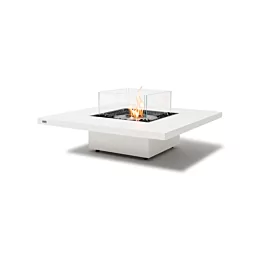

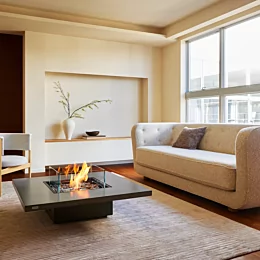
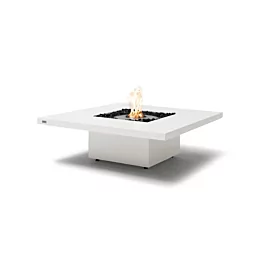
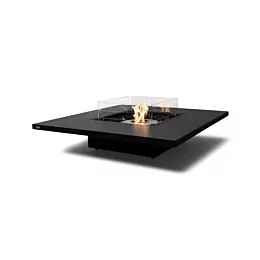
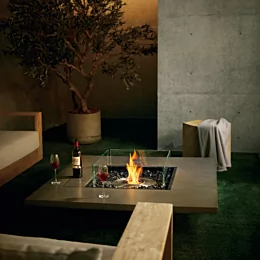
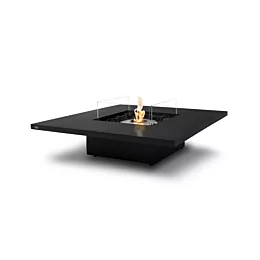
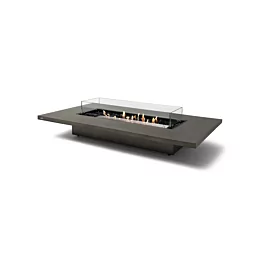


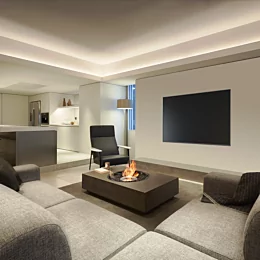
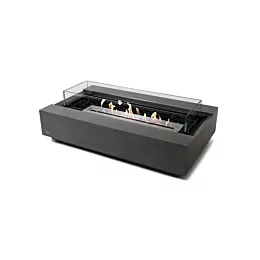
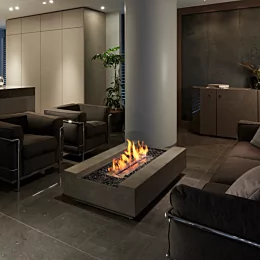

Loading image...
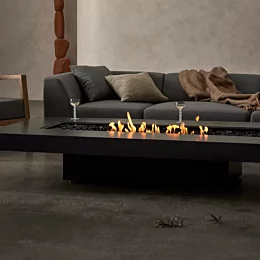
Clean-burning
Bioethanol produces no harmful emissions, just heat, steam and carbon dioxide which is re-absorbed by plants, this means no soot, no smoke, no ash and no mess.
Efficiency over 90%
No flue or chimney means that the heat generated by the fireplace during combustion isn’t lost up the chimney.
Loading image...

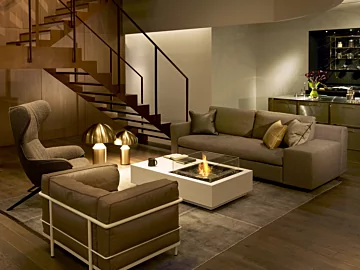
Freestanding models
Cleverly refashioning the traditional fireplace concept into a piece of flexible fire furniture means that you can enjoy the simple pleasures of an open fire whenever and wherever you want it.
Loading image...

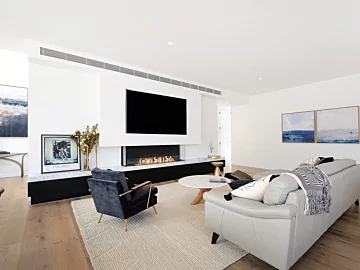
Built-in models
EcoSmart Fire has a design solution for custom-made, built-in fireplaces to fit countless design briefs, floor plans, indoor and outdoor spaces.


Loading image...
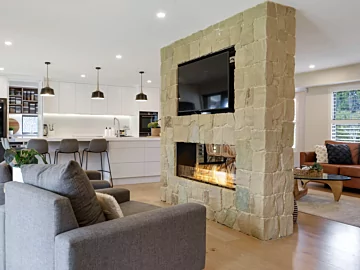
Installation flexibility
EcoSmart Fires can be incorporated at any stage of your interior decorating, renovating or building works.
Design freedom
No need for cabling, gas connecting, chimneys or flues provides creative freedom for homeowners and interior designers.
Loading image...
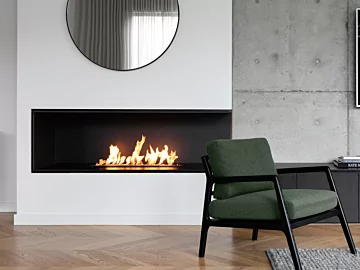
Add value to your property
The presence of a fireplace in your house increases the value of your home.
Loading image...

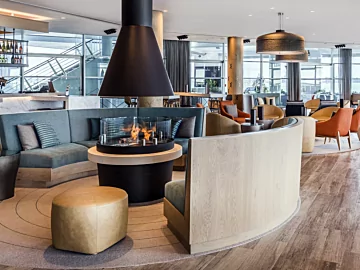
Thoroughly tested worldwide
Our collection has been thoroughly tested against a number of global standards and is O-TL Listed in accordance with UL 1370 in the USA, certified in accordance with EN16647 in Europe and the UK, and satisfies the ACCC Safety Mandate for Australia.
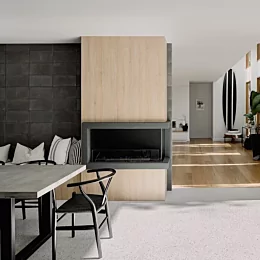
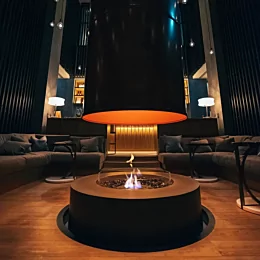
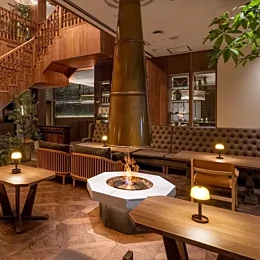
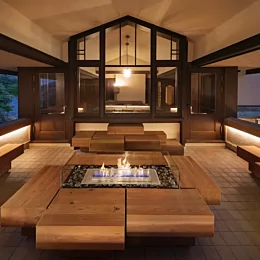
Styled by Our Clients
Loading image...
Loading image...
Loading image...
Loading image...
Loading image...
Loading image...

Loading image...
Loading image...
Loading image...
Related Collections
Learn More
Indoor Fireplaces
Indoor Fire Pits
Indoor Ethanol Fireplaces
FAQ's
How do I choose the right indoor fireplace for my space and style?
Choose your indoor bioethanol fireplace by matching a design direction (linear, freestanding, or traditional) to your room volume and spatial role. EcoSmart Fire offers four distinct families: linear Flex inserts for contemporary feature walls; freestanding Designer models as sculptural statement pieces; compact Frame inserts for retrofits and tight spaces; and Heritage inserts with traditional surround styling.
Linear design creates elongated flames across wider walls and suits minimalist interiors, while multi-sided viewing (corner or see-through configurations) links adjoining rooms and defines spatial zones. Freestanding Designer pieces work as conversation starters in open layouts.
Once you've chosen your aesthetic family, match the burner size to your room: smaller spaces (40 m³) suit round burners like the AB3; larger rooms (up to 110 m³) pair with linear burners like the XL900, which delivers about 15,000 BTU/h. All configurations install without chimney or gas line, so your design choices are limited only by vision, not by structural constraints.
How much ventilation is required for an indoor ethanol fireplace?
EcoSmart Fire's clean-burning bioethanol fireplaces require a minimum room volume based on burner size, ensuring safe combustion and proper dispersal of byproducts. Smaller burners like the AB3 require at least 40 m³ [1,413 ft³], while larger models such as the XL900 need 110 m³ [3,885 ft³] and the AB8 requires 116 m³ [4,097 ft³].
Bioethanol combustion consumes oxygen from the room and releases heat, steam, and carbon dioxide. Adequate room volume allows these byproducts to disperse naturally without accumulating to unsafe levels. The specific volume thresholds are verified against international safety standards: UL 1370 (USA), EN 16647 (Europe/UK), and ACCC certification (Australia).
To size your space correctly, measure your room length, width, and height to calculate cubic metres, then match your intended burner size to its corresponding minimum volume. Most standard living rooms, dining areas, and larger bedrooms easily meet these requirements; your installer or product documentation will confirm the specific threshold for your chosen burner.
Can indoor fireplaces be installed in apartments?
Yes, EcoSmart Fire bioethanol fireplaces, including linear and freestanding designs, can be installed in apartments and high-rise buildings without traditional flues or chimney infrastructure. The zero-clearance construction allows these fireplaces to sit flush against walls and cabinetry, making them ideal where structural modifications are impossible.
Successful apartment installation depends on three factors: adequate room volume, adequate ventilation, and regulatory clearance.
Room size matters. The minimum usable space is 40 m³ [1,413 cu ft] for the smallest burners; medium to large burners require 70–80 m³ [2,472–2,825 cu ft]. If your room falls below 5.7 m³ per 1,000 BTU of burner capacity, you'll need a window openable to at least 25 mm [1 in] or adjacent doors kept open during operation. Never install in bathrooms or small enclosed spaces.
Clearances and safety are straightforward: maintain 600 mm [23.6 in] minimum clearance from flammable furnishings and 1,500 mm [59.1 in] from any combustible items. A glass windscreen is required during operation.
Before purchasing, confirm two critical approvals: building management's written permission and your local building code's stance on ventless ethanol fireplaces. Regulations vary significantly by region. Once approved, these fireplaces offer the design flexibility traditional installations simply cannot match.
Do indoor ethanol fireplaces produce steam or condensation?
Indoor ethanol fireplaces do produce water vapour during combustion, alongside heat and carbon dioxide. However, condensation on windows, walls, or other surfaces is uncommon under normal operating conditions, and the concern is largely overblown.
The amount of moisture released is modest and dissipates naturally when a room has adequate air circulation. Most indoor spaces have sufficient ventilation through windows, doors, and mechanical systems to prevent moisture accumulation. Think of it this way: the water vapour your fireplace produces is comparable to what a single person exhales or what a shower produces. It is a byproduct of the clean combustion process, not a source of excess humidity.
Condensation becomes relevant only in extremely enclosed spaces with poor ventilation, where multiple sources of moisture already exist (cooking, multiple occupants in a small sealed room). In such rare cases, simply opening a window or using modest air circulation solves the issue entirely. When you follow EcoSmart Fire's ventilation guidelines for your room size, which account for both oxygen consumption and moisture dispersal, condensation simply doesn't occur.
What is the difference between bioethanol and traditional fireplaces?
Bioethanol fireplaces are fundamentally different from wood-burning and gas fireplaces in how they operate and integrate into your home. Bioethanol burns liquid fuel in a self-contained burner, requiring no chimney, flue, or utility connection, whereas traditional fireplaces need either a functioning chimney or gas line and professional installation.
The practical differences stack in bioethanol's favour. There's no smoke, soot, ash, or carbon monoxide to manage, and you ignite or extinguish the flame in seconds. EcoSmart Fire bioethanol burners deliver over 90% heat efficiency because the warmth stays in the room rather than escaping up a flue, which is where most of a traditional open fireplace's heat is lost. Because they're ventless, bioethanol fireplaces can be integrated into walls, cabinetry, media benches, or floating timber designs without structural constraints; traditional fireplaces lock you into one location determined by chimney placement.
Bioethanol fireplaces are certified to recognised ventless appliance standards and designed as decorative and supplemental heat sources. They give you real flame and genuine warmth with complete design freedom, making them the choice when you want a fireplace feature without the infrastructure and inflexibility of traditional options.
Can ethanol fireplaces be installed anywhere?
Ethanol fireplaces can be installed almost anywhere, because the clean-burning flame needs no chimney, gas line, or electrical connection. Indoors, outdoors, in apartments, heritage spaces, and mid-renovation projects all qualify.
The primary requirement is a level, stable, non-combustible surface (concrete, tile, brick, or stone) with a minimum 12.5 mm [0.5 in] air gap beneath. Per EcoSmart Fire's installation guidelines, wall materials within 600 mm [23.6 in] of the flame must be non-combustible, and overhead clearance to moveable objects must reach at least 2,000 mm [78.7 in].
The only settings that fall outside this range are bathrooms and enclosed spaces too small to meet the minimum room volume for the chosen burner.
What is the lifespan of a bioethanol fireplace burner?
EcoSmart Fire bioethanol fireplace burners are built for long-term durability. The Grade 304 stainless steel combustion chamber is designed to last a lifetime with proper care, a standard backed by more than two decades of real-world installations.
The key to longevity is regular maintenance. Clean your burner after every 50 litres of fuel consumed, or whenever black residue appears on the burner surfaces. Keep the lid closed when not in use to prevent debris accumulation and corrosion. Regular checks of residual fuel help maintain consistent performance. With these care practices, EcoSmart Fire burners are designed to serve without a scheduled replacement cycle.
Which EcoSmart Fire models are suitable for indoor use?
Portable fire pit designs and built-in fireplace inserts from EcoSmart Fire span a wide indoor-suitable range, with freestanding designer fireplaces, ethanol fire pit bowls, and zero-clearance insert formats all available for interior spaces.
Freestanding designer fireplaces are purpose-designed for indoor use, requiring no installation or utility connections. Fire pit bowls in the ethanol configuration carry an indoor-outdoor application rating when the required indoor safety tray is fitted, providing flexibility across both interior and exterior settings.
For permanent installations, built-in bioethanol inserts suit feature walls and architectural openings without a chimney, flue, or gas connection. Fireplace grate kits bring bioethanol fire to existing fireplace openings with no structural changes.
The key selection factor is matching burner capacity to room volume. Smaller burner configurations require a minimum 40 m3 [1,413 ft3], while larger formats need up to 116 m3 [4,097 ft3]. Each product specification includes the minimum room volume required, making it straightforward to confirm indoor suitability before purchase.
What types of indoor fireplaces are available?
EcoSmart Fire offers six distinct indoor fireplace types, organised by how they integrate into your space rather than by fuel type. This approach lets you choose based on where and how the fireplace will live in your home.
Built-in linear fireplaces provide a horizontal flame that anchors a wall or architectural feature. Multi-sided designs, including see-through and island configurations, allow viewing from multiple angles, creating visual openness while defining zones. These are zero-clearance installations that require no chimney, flue, or gas line.
Retrofit burner inserts convert existing masonry fireplaces into clean-burning bioethanol units, preserving your hearth while eliminating the need to remove the original structure. Bespoke burner systems, modular units like the XL700 and XL900, let architects and designers embed custom flames into joinery, walls, or architectural features without standard framing constraints.
Freestanding fireplaces are portable units that require no installation, allowing you to relocate them as your room evolves. Electric vent-free models (USA and Canada) offer instant flame without fuel, eliminating refuelling entirely.
All indoor bioethanol models are zero-clearance and available in finishes including natural, graphite, bone, and stainless steel. Design flexibility is the defining feature across the range; each type solves different spatial and aesthetic needs.
How do indoor ethanol fireplaces compare to electric fireplaces in running costs?
EcoSmart Fire's bioethanol fireplaces produce a clean-burning flame at a higher per-hour fuel cost than electric; electric fireplaces have lower running costs, but the two technologies serve different needs.
Flame-only mode on an electric fireplace costs roughly $0.01–$0.02 per hour; full heating mode (1,500–3,000W) runs $0.10–$0.24 per hour at typical electricity rates. Ethanol fireplaces have a higher per-hour fuel cost, varying by region and burner size (from smaller AB3 to larger AB8 options). Both operate at high efficiency: EcoSmart Fire bioethanol fireplaces convert over 90% of fuel to usable heat, retained in the room rather than lost through a flue.
The practical difference is in what you get for the spend. Electric fireplaces provide supplementary warmth in smaller spaces with precise control and low operational cost. Ethanol fireplaces deliver a genuine real flame, the sensory and visual quality of which cannot be replicated, along with placement flexibility that requires no gas line, chimney, or structural modification.
Consider total cost of ownership: with no HVAC modifications, specialist installation, or infrastructure investment required, ethanol ownership costs are more straightforward than a per-hour fuel comparison suggests. Installation savings and the enduring appeal of real flame make the fuel premium easy to justify for those prioritising atmosphere and design freedom.